



Aleks Sierz

Aleks Sierz

Ünvan:Yazar - Tiyatro Eleştirmeni
Doğum Yeri:Birleşik Krallık'
Eserler:1 kitap
Hakkında

Aleks Sierz, Britanyalı tiyatro eleştirmeni ve yazardır. Özellikle 1990’lı yılların Britanya tiyatrosunu tanımlamak için yaygınlaşan “in-yer-face theatre” kavramını ortaya koymasıyla tanınır. Eğitimini Manchester Üniversitesi’nde tamamlamış, ardından Westminster Üniversitesi’nde çağdaş tiyatro alanında doktora yapmıştır. Serbest yazar ve eleştirmen olarak The Stage, The Independent, Tribune ve The Arts Desk gibi yayınlarda yazılar kaleme almış, ayrıca Theatre Voice’un ortak editörlüğünü üstlenmiştir. Çalışmalarında çağdaş Britanya tiyatrosu, oyun yazarlığı ve tiyatro eleştirisi üzerine yoğunlaşmış; yeni kuşak oyun yazarlarının eserlerini tarihsel ve eleştirel bir bakışla değerlendirmiştir. Başlıca eserleri arasında “In-Yer-Face Theatre: British Drama Today”, “The Theatre of Martin Crimp”, “John Osborne’s Look Back in Anger”, “Rewriting the Nation: British Theatre Today”, “Modern British Playwriting: The 1990s” ve “Good Nights Out” yer alır.

Baskılar
1 / 1
Bu yayınevine ait baskı bulunamadı.

Bu Yazara Ait Kitaplar

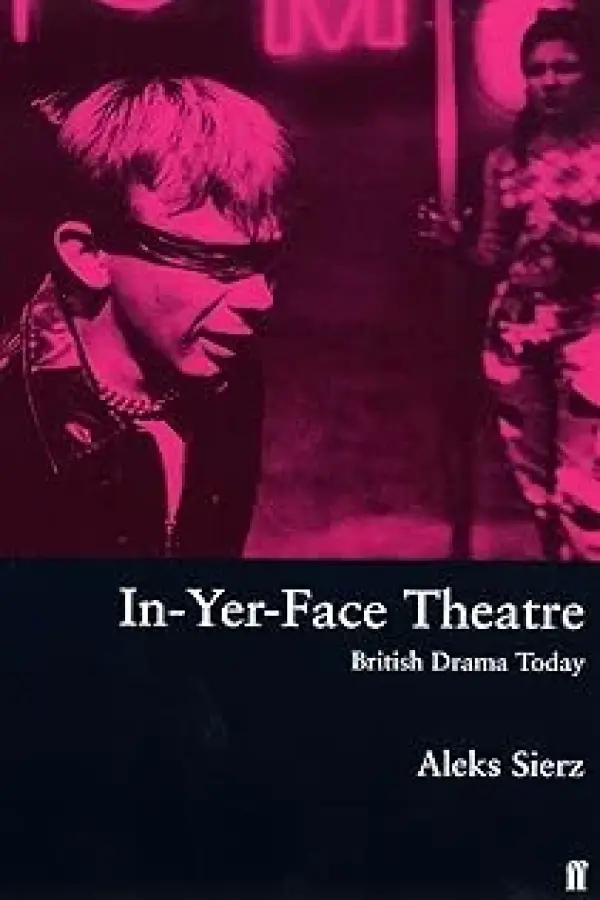
In-Yer-Face Theatre: British Drama Today
Aleks Sierz
Faber & Faber

En beğenilen alıntılar5

Yunan trajedilerinde taciz, tecavüz, ölüm yok muydu ne farklı var sorusunun yanıtı.
The greatest of the ancient Greek tragedies deal with extreme states of mind: brutal deaths and terrible suicides, agonizing pain and dreadful suffering, human sacrifice and cannibalism, rape and incest, mutilations and humiliations. Thanks to Freud, Oedipus now symbolizes the most familiar taboo — even to people who never go to the theatre. And think of the crimes and emotions, from child murder to incestuous passion, evoked by the names Medea, Phaedra and Agamemnon. The content of tragedy is a meeting between the waywardness of fate and some of our most intimate fears, and the Greeks were well aware of the mixture of heroism and hopelessness involved in taking a stand against the inexorable and inexplicable. But of all the theories about the purpose of tragedy, the most suggestive is the idea that it was meant to purge the bad feelings of the audience. The idea of putting yourself through hell in order to exorcize your inner demons is at the root of experiential theatre. Yet Greek drama was probably intended not to attack but to heal the audience, to make it better able to face its time. This argues for a kind of utilitarian role for theatre, making it a form of shock therapy.
heart
10 kişi
∙
Usually, when writers use shock tactics, it is because they have something urgent to say. If they are dealing with disturbing subjects, or want to explore difficult feelings, shock is one way of waking up the audience. Writers who provoke audiences or try to confront them are usually trying to push the boundaries of what is acceptable — often because they want to question current ideas of what is normal, what it means to be human, what is natural or what is real. In other words, the use of shock is part of a search for deeper meaning, part of’a rediscovery of theatrical possibility — an attempt by writers to see just how far they can go.

Provocation in performance can range from a new tone of voice being heard for the first time, a question of sensibility, to deliberate attacks on an audience’s prejudices. The most successful plays are often those that seduce the audience with a naturalistic mood and then hit it with intense emotional material, or those where an experiment in form encourages people to question their assumptions. In such cases, what is being renegotiated is the relationship between audience and performers — shock disturbs the spectator’s habitual gaze.
heart
9 kişi
∙
Gradually, small groups of enthusiasts learnt the lessons of Zola and Ibsen, Strindberg and Chekhov, Jarry and Tzara, Wedekind and Brecht, Ionesco and Genet, Grotowski and Artaud. Especially Artaud. Not surprisingly, his radical ideas about a Theatre of Cruelty were derived from the Greeks and Jacobeans. One of transgressive theatre’s greatest theorists, he was also the least performed. But his writings proved inspirational:

The theatre will never find itself again except by furnishing the spectator with the truthful precipitates of dreams, in which his taste for crime, his erotic obsessions, his savagery, his chimeras, his utopian sense of life and matter, even his cannibalism, pour out on a level not counterfeit and illusory, but interior. (Antonin Artaud, ‘The Theatre of Cruelty: First Manifesto’)

This was written during the thirties, and even though Artaud was not immediately translated into English, his ideas rapidly crossed the Channel.


heart
8 kişi
∙
Aleks Sierz sözleri ve alıntıları (5)